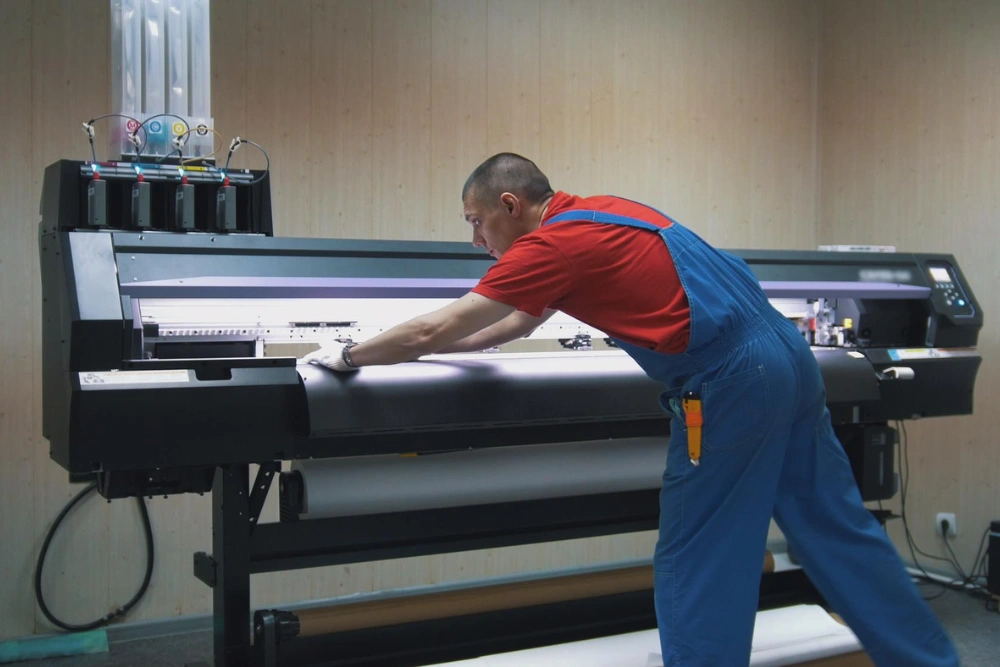
Outdoor displays remain a reliable way for businesses to establish presence and authority within physical environments. In areas shaped by constant movement and visual competition, visibility depends on planning rather than volume. When displays are positioned with intent and supported by clear messaging, they strengthen recognition and influence perception over time. This guide outlines how outdoor displays function as strategic assets, the factors that shape their effectiveness, and how businesses can use them to maintain long-term visibility without unnecessary complexity or waste.
Visibility works through repetition and familiarity rather than immediate response. Outdoor displays operate within fixed environments where people encounter the same visuals repeatedly as part of their routine. This consistent exposure builds recognition naturally, reinforcing brand presence without demanding direct interaction.
Strategic visibility accounts for movement patterns, viewing angles, and surrounding distractions. Displays placed along regular routes benefit from repeated impressions that compound gradually. Businesses that treat outdoor visibility as a long-term investment tend to achieve stronger recall than those relying solely on short promotional bursts.
Placement decisions determine whether a display supports awareness or fades into background noise. High-footfall areas, transport corridors, and transitional spaces provide sustained exposure because audiences encounter them frequently. These locations encourage passive recognition, which strengthens familiarity over time.
Orientation and scale also matter. Displays should align with natural sightlines and viewing distances rather than compete aggressively with their surroundings. A well-positioned display feels integrated and purposeful, increasing the likelihood that it will be noticed and remembered.
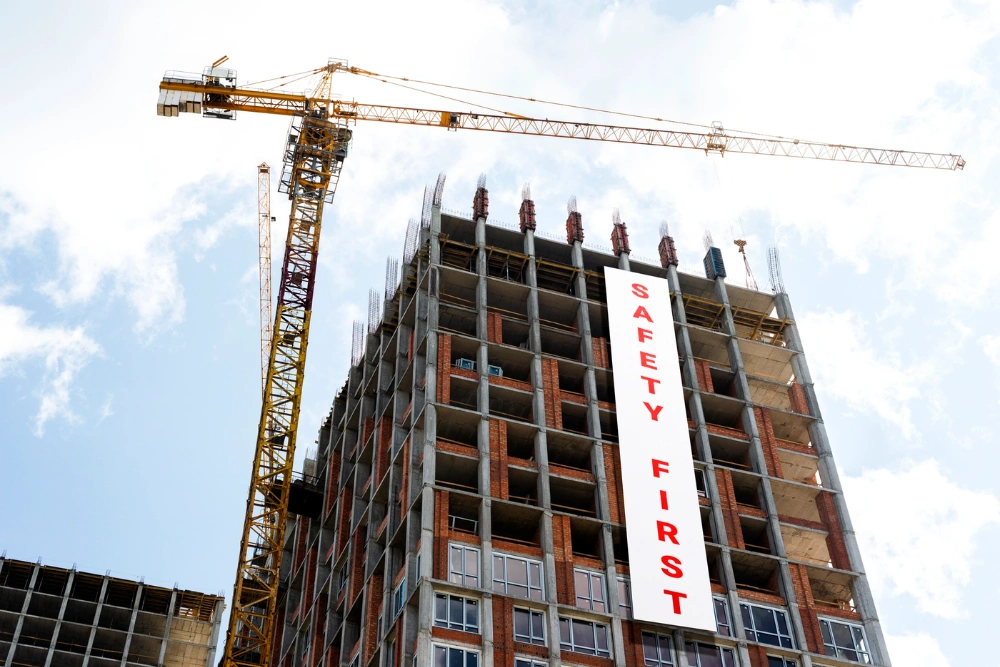
Hoarding printing allows businesses to turn temporary or overlooked locations into valuable branding opportunities. Areas surrounding developments or vacant plots naturally draw attention because they signal change. Using these spaces strategically helps brands remain visible during periods when environments are disrupted.
Effective hoarding printing relies on disciplined messaging rather than visual overload. Large surfaces should communicate a clear identity rather than multiple competing ideas. When planned carefully, hoardings become reference points within an area, reinforcing awareness even before direct engagement occurs.
Increased visibility often leads to higher enquiry volumes. Businesses must ensure their internal processes can support the attention generated by outdoor displays. Operational gaps can quickly undermine credibility once awareness turns into engagement.
Many growing organisations maintain control by supporting their front-facing growth with streamlined financial management. For example, businesses scaling visibility while managing costs often rely on accounting outsourcing to maintain accurate reporting, manage compliance, and support efficiency without expanding internal teams. This alignment ensures growth remains structured rather than reactive.
Material quality directly affects how a display represents the brand over time. Weather resistance, colour stability, and structural strength influence whether a display maintains its appearance or deteriorates prematurely.
Durable materials reduce the need for frequent replacement and ensure the brand remains visually consistent throughout the display’s lifespan. This protects both perception and long-term investment value.
| Display Type | Primary Purpose | Key Advantage | Typical Setting |
| Roadside panels | Broad exposure | High frequency | Urban routes |
| Development hoardings | Transitional branding | Landmark presence | Redevelopment zones |
| Wall-mounted displays | Local reinforcement | Neighbourhood recall | Commercial streets |
| Temporary outdoor frames | Short campaigns | Flexible placement | Events and promotions |
The second strategic role of hoarding printing involves planned evolution rather than static presentation. Long-term hoardings benefit from phased updates that maintain interest while preserving familiarity.
Updating visuals at defined intervals prevents fatigue and allows messaging to remain relevant. This approach supports continuity without sacrificing freshness, ensuring the display continues to attract attention over extended periods.
Outdoor displays are most effective when integrated into a broader branding system. Visual identity, tone, and messaging should align with other channels to reinforce recognition and trust.
Consistency does not require repetition without purpose. It involves reinforcing the same core identity across different contexts. Over time, this creates a stable and recognisable presence that audiences associate with reliability.
Outdoor displays remain a powerful tool for sustaining visibility and strengthening brand awareness in physical environments. When treated as strategic assets rather than one-off promotions, they support recognition through consistent design, considered placement, and clear messaging. Effective results depend on careful planning, disciplined execution, and alignment with internal capability. Businesses that invest in structured outdoor display strategies create a stable and recognisable presence within their surroundings, allowing familiarity and trust to build over time. This lasting visibility continues to influence perception well beyond the moment of first exposure.
© 2026 Point of Sale Printers. All Rights Reserved.