Construction sites are often viewed as temporary disruptions rather than meaningful touchpoints. Yet in busy urban environments, hoardings occupy prime visual real estate for weeks or even months. When designed thoughtfully, they can shift perception, turning a necessary barrier into a strategic marketing opportunity.
Modern hoardings are no longer limited to plain panels or warning notices. They are increasingly used to communicate values, showcase future outcomes, and build recognition long before a project is complete. With the right design approach, hoardings can engage the public, reinforce credibility, and create lasting brand impressions.
Looking ahead, organisations that treat hoardings as part of their communication strategy rather than a compliance requirement gain a clear advantage.
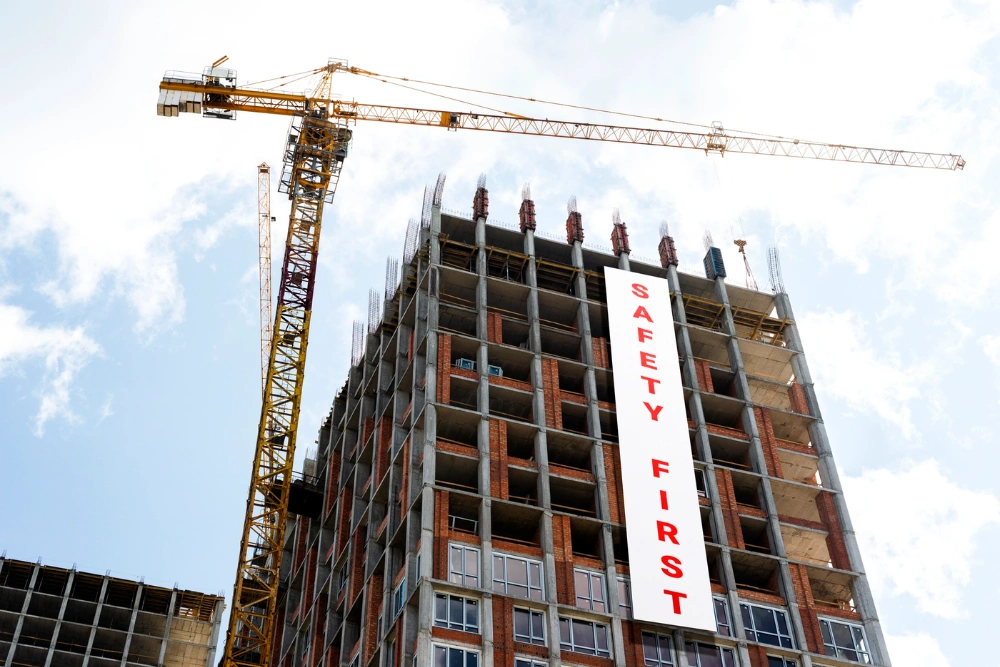
Hoardings are essential for safety, privacy, and compliance, but their impact extends far beyond function. Positioned at street level, they interact directly with pedestrians, drivers, and neighbouring businesses every day. This repeated exposure creates a unique opportunity to communicate consistently and passively.
Poorly considered hoardings often fade into the background or, worse, contribute to visual clutter. In contrast, well-designed hoardings add structure and clarity to a site, signalling professionalism and care. They demonstrate that the organisation behind the project is attentive not only to what is being built, but also to how it is presented.
As public expectations around urban design rise, hoardings increasingly influence how developments are judged before completion.
Rather than treating hoardings as a single graphic surface, effective designs use them as a sequence. Panels can be arranged to tell a story as people walk past, revealing information gradually rather than all at once.
This might include the purpose of the project, its benefits to the area, or the values guiding its development. By breaking information into digestible sections, hoardings maintain interest without overwhelming the viewer.
Narrative-led hoardings feel intentional and considered, encouraging engagement rather than indifference.
One of the most effective uses of hoardings is to visualise the future. Rendered images, simplified illustrations, or conceptual graphics help people understand what the site will become.
This forward-looking approach reframes disruption as progress. Instead of seeing inconvenience, the public is invited to imagine the finished result. Over time, this builds anticipation and softens resistance to construction activity.
Hoardings are often viewed briefly, sometimes from a moving vehicle. Designs must therefore prioritise clarity. Large typography, simple layouts, and focused messaging perform far better than dense blocks of text.
A single strong message repeated across multiple panels is often more effective than trying to communicate everything at once. This approach ensures recognition even with limited viewing time.
Consistency creates coherence. Using the same colour palette, typography, and visual language across all hoardings reinforces identity and avoids a fragmented appearance.
Even temporary hoardings benefit from structured design systems. This consistency signals organisation and reliability, qualities that influence public trust.
Hoardings offer extended exposure that traditional advertising cannot always match. A site in a high-footfall area may be seen thousands of times a week, making it a powerful brand reinforcement tool. Logos, taglines, and visual cues integrated subtly into hoardings build familiarity over time. The key is restraint. Over-branding can feel intrusive, while understated branding feels confident and credible.
This long-term visibility mirrors how trust is built in professional service environments, such as a bookkeeping outsourcing provider operating in Australia, where credibility is earned through consistency, reliability, and repeat exposure rather than loud promotion. In both cases, confidence grows gradually through a clear, dependable presence.
Construction can feel impersonal to the public. Hoardings that introduce the people involved help bridge that gap. Featuring teams, craftspeople, or community messages adds a human dimension to the site.
This approach reduces the “us versus them” mentality that sometimes surrounds construction projects. When people see faces rather than machinery alone, empathy increases.
Acknowledging the local area makes hoardings feel less intrusive. Messages that reference the neighbourhood, thank the public for patience, or explain how disruption is being managed foster goodwill.
These small gestures show respect for the surrounding community and position the project as a considerate presence rather than an inconvenience.
Not all hoardings need literal imagery. Abstract patterns, bold illustrations, or typographic designs can be equally effective, particularly when aligned with a clear message.
Creative graphics stand out in visually busy streetscapes, offering a moment of visual relief rather than additional noise.
Some hoardings incorporate QR codes, timelines, or simple facts about the build. These elements invite engagement without demanding it.
Educational content works especially well in public areas, helping people understand the complexity and purpose of the work taking place behind the barrier.
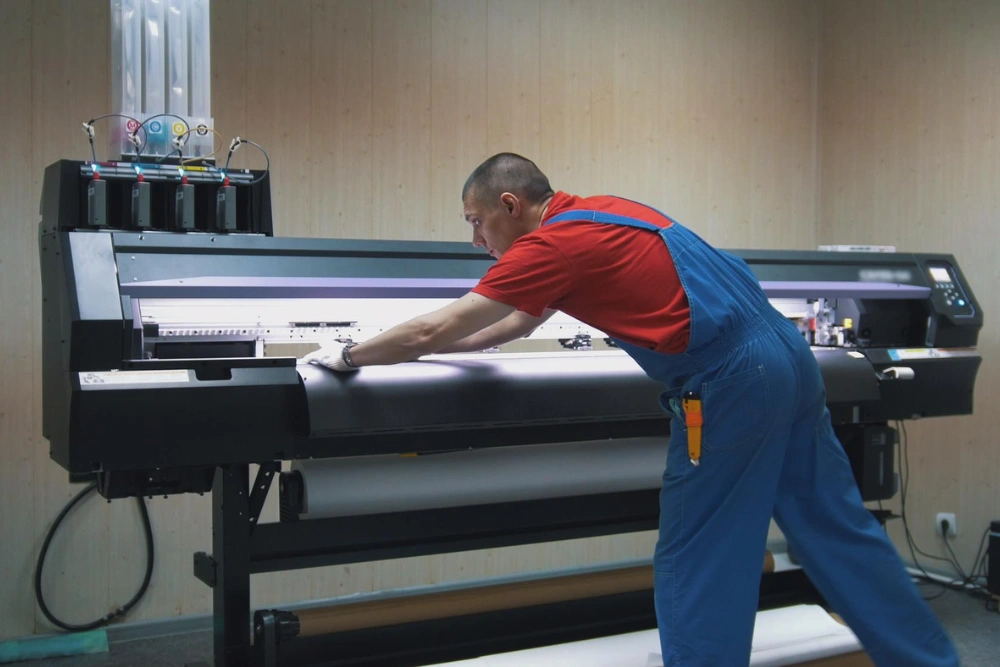
Design effectiveness relies on execution. Hoardings must withstand weather, dirt, and wear over extended periods. Materials and print quality directly affect how the design ages.
Faded graphics or peeling panels undermine credibility. Investing in durable finishes ensures the hoardings continue to represent the project positively throughout its lifespan.
This practical discipline reflects the same mindset found in structured operational services, where reliability depends on systems that perform consistently over time rather than briefly.
While hoardings are not always measured in direct conversions, their impact is felt through perception. Positive public response, reduced complaints, and increased recognition all indicate success.
Well-designed hoardings also support wider marketing efforts by creating a consistent presence that aligns with brochures, websites, and on-site signage.
As marketing becomes more integrated across physical and digital spaces, hoardings play an increasingly strategic role.
The future of hoarding design lies in intentionality. Rather than defaulting to minimal compliance, organisations are beginning to see hoardings as strategic assets that shape reputation long before project completion.
As cities become denser and audiences more visually discerning, every surface counts. Hoardings that are thoughtful, clear, and well-executed contribute positively to the built environment rather than detracting from it.
Hoardings may be temporary structures, but the impressions they create can be long-lasting. When designed with intention, they move beyond basic site coverage to become tools for communication, trust, and visibility. Thoughtful hoarding design respects the public realm, reduces friction, and quietly builds recognition over time. In an environment where every touchpoint influences perception, treating hoardings as part of the wider marketing narrative allows organisations to shape opinion before a project is complete. What surrounds a site today often determines how confidently the finished development is welcomed tomorrow.
© 2026 Point of Sale Printers. All Rights Reserved.