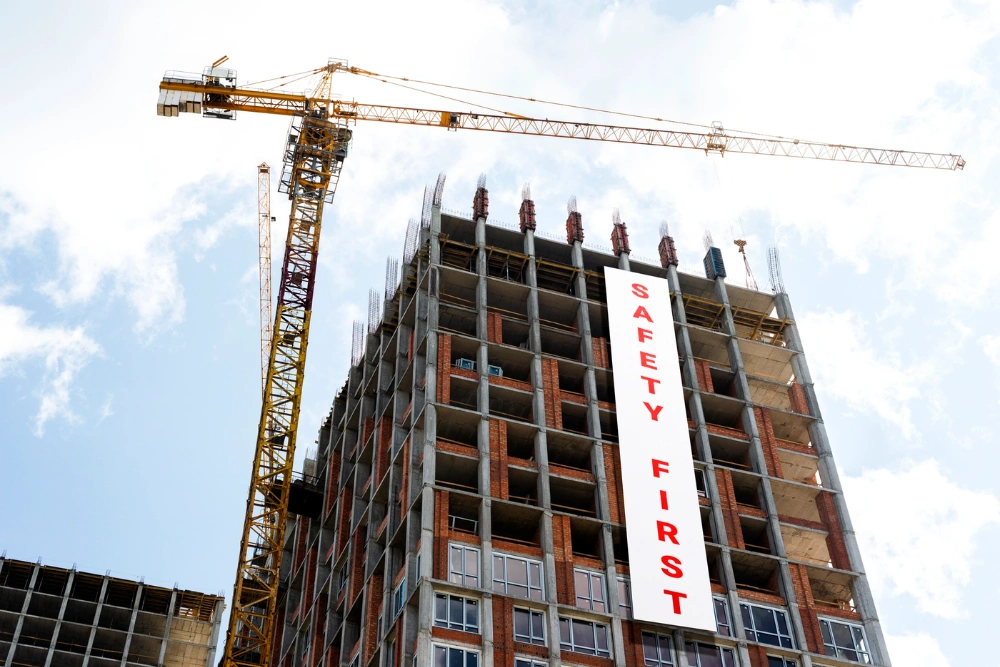
Scaffolding is a functional necessity on construction and refurbishment projects, yet its presence often disrupts streetscapes and raises safety concerns. Bare metal frames, loose materials, and exposed working areas can make sites appear chaotic and intimidating. Printed mesh covers offer a practical, forward-looking solution that balances appearance with protection. They transform scaffolding from a visual problem into a controlled, purposeful element of the build, while supporting safer working conditions for everyone nearby.
This combination of design and function explains why printed mesh is becoming a standard consideration rather than an optional extra.
Uncovered scaffolding draws attention for the wrong reasons. In busy urban areas, it interrupts architectural lines, obscures shopfronts, and can negatively affect surrounding businesses. For residential projects, it can create a sense of disorder that lingers long after work begins.
Printed mesh introduces visual continuity. Instead of fragmented views of poles and platforms, passers-by see a single, cohesive surface. This could carry branding, architectural imagery, or neutral graphics that complement the environment. The result is a calmer, more professional appearance that reflects positively on the project team.
Perception matters. A well-presented site suggests planning, care, and accountability. Printed mesh covers help communicate that the project is managed and temporary, not disruptive or unsafe. Over time, this visual reassurance reduces complaints and improves public tolerance for long-term works.
Safety is where printed mesh delivers its most tangible value. The mesh acts as a secondary barrier, helping to contain dust, light debris, and small tools that might otherwise fall from platforms. This is especially important near pavements, roads, and neighbouring properties.
Unlike solid sheeting, mesh allows air to pass through. This permeability reduces wind load on the scaffold, maintaining structural stability while still providing coverage. It is a practical compromise that supports both safety and engineering requirements.
Printed mesh also defines site boundaries more clearly. A continuous surface is easier to recognise than exposed scaffolding, particularly in low light or poor weather. This visual clarity discourages unauthorised access and reduces the likelihood of accidental contact with working areas.
When specified correctly, scaffolding mesh banners enhance compliance with site safety expectations while remaining lightweight and adaptable.
Construction sites occupy large visual footprints, often in high-footfall locations. Printed mesh allows these surfaces to communicate rather than simply conceal. Project details, safety notices, or brand messaging can be integrated directly into the design, reducing the need for additional temporary signage.
This approach is particularly effective for commercial developments, where maintaining brand presence during construction is important. Instead of disappearing behind scaffolding, the project remains visible and recognisable.
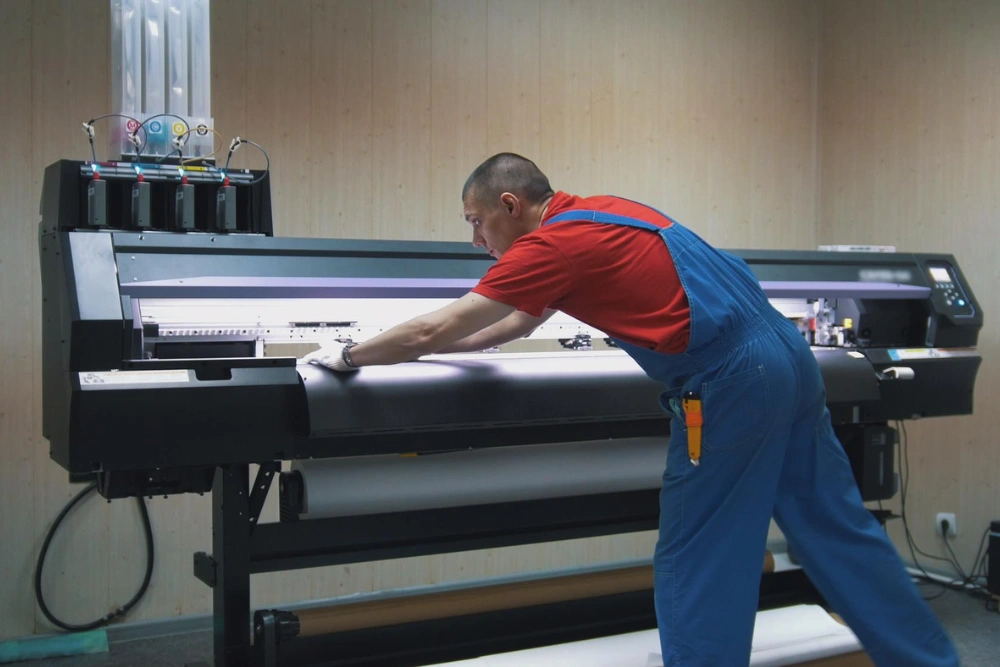
For this strategy to work, print quality must be consistent. Colour accuracy, legibility, and durability all influence how the mesh performs over time. This is where experienced print production becomes essential.
A specialist such as printing company london, with expertise across digital, litho, and large-format applications, understands how mesh graphics should align with boards, signage, and other on-site print elements. This coordination ensures the site reads as a single, considered environment rather than a collection of temporary fixes.
Not all mesh is the same. Weight, weave density, and edge finishing all affect performance. Reinforced hems and secure eyelets reduce the risk of tearing, while UV-stable inks help maintain colour over extended periods outdoors.
Printed mesh is designed to withstand variable British weather, from wind and rain to prolonged sunlight. When removed carefully, it can often be reused, improving cost efficiency across multiple projects.
Correct installation is as important as print quality. Even tension, appropriate fixings, and regular inspections help ensure the mesh continues to perform its safety role throughout the project lifecycle.
| Area of Impact | Practical Outcome |
| Site Appearance | Cleaner, more professional visual presence |
| Public Safety | Reduced risk from falling dust or debris |
| Wind Performance | Breathable structure supports stability |
| Communication | Large-scale, integrated messaging |
| Project Perception | Greater trust and reduced disruption |
By addressing multiple challenges at once, scaffolding mesh banners offer measurable value beyond simple coverage.
Printed mesh covers demonstrate how temporary construction elements can be handled with long-term thinking. They show respect for surroundings, protect people, and reinforce professionalism throughout the build process. In an industry increasingly judged not just on outcomes but on how projects coexist with their environments, this matters.
Choosing printed mesh is not about decoration. It is about recognising that safety, communication, and appearance are interconnected. When scaffolding is treated as part of the project’s public face rather than an inconvenience to hide, construction sites become safer, calmer, and more credible spaces.
© 2026 Point of Sale Printers. All Rights Reserved.