Store renovations are a sign of progress. They signal investment, improvement, and long-term thinking. Yet for customers, a refurbishment period can easily feel disruptive if it is not handled with care. Dust, exposed frameworks, temporary walls, and shifting layouts can undermine confidence and interrupt the shopping experience. This is where visual control becomes essential. When managed properly, it protects brand perception, guides behaviour, and maintains trust while work is underway.
Visual control is not only about what customers see on the shop floor. It is also about how teams coordinate behind the scenes. Physical presentation and operational discipline must move together. When visual barriers and internal workflows are aligned, renovation becomes a controlled transition rather than a period of uncertainty.
Retail spaces are not static. They are designed to be intuitive, calm, and welcoming. Renovation temporarily disrupts that balance. Without a clear visual strategy, customers may feel unsure about where to walk, what areas are open, or whether the store remains fully operational.
Visual control reassures customers that the space is being managed professionally. Clean lines, consistent branding, and clear messaging signal competence. Even when work is ongoing, shoppers feel confident continuing their visit because the environment still feels intentional rather than chaotic.
From a safety perspective, visual control also reduces risk. Clear boundaries prevent customers from entering restricted zones, while directional cues help manage footfall. This is particularly important in high-traffic retail settings where confusion can quickly turn into frustration or hazard.
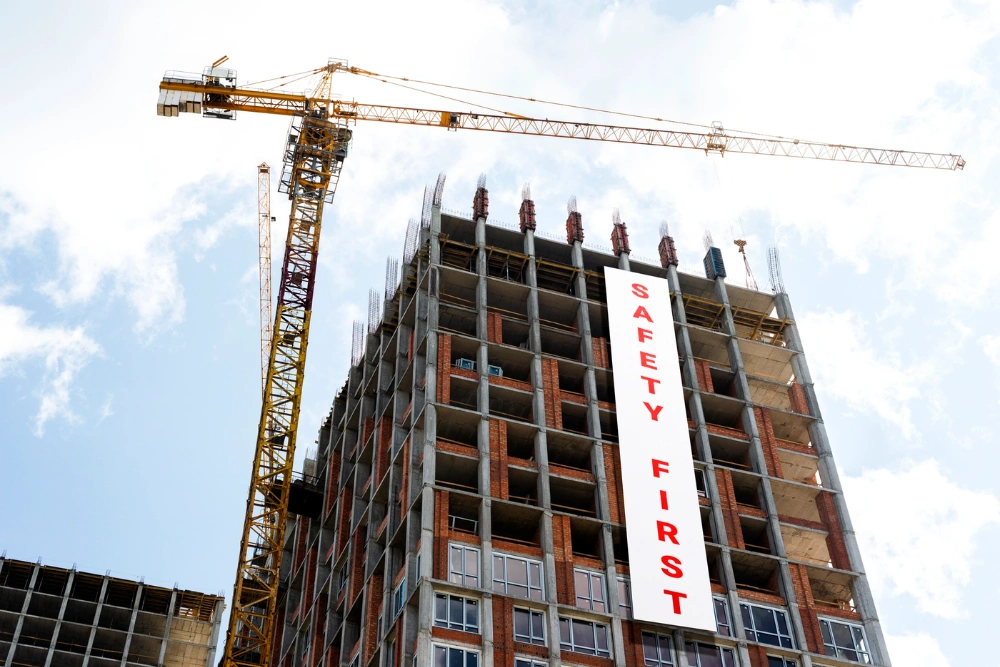
Retail Hoarding plays a central role in visual control during refurbishment. While its primary function is to conceal construction work, its strategic value goes far beyond concealment. Well-designed hoarding creates a clean, controlled perimeter that maintains the integrity of the retail environment.
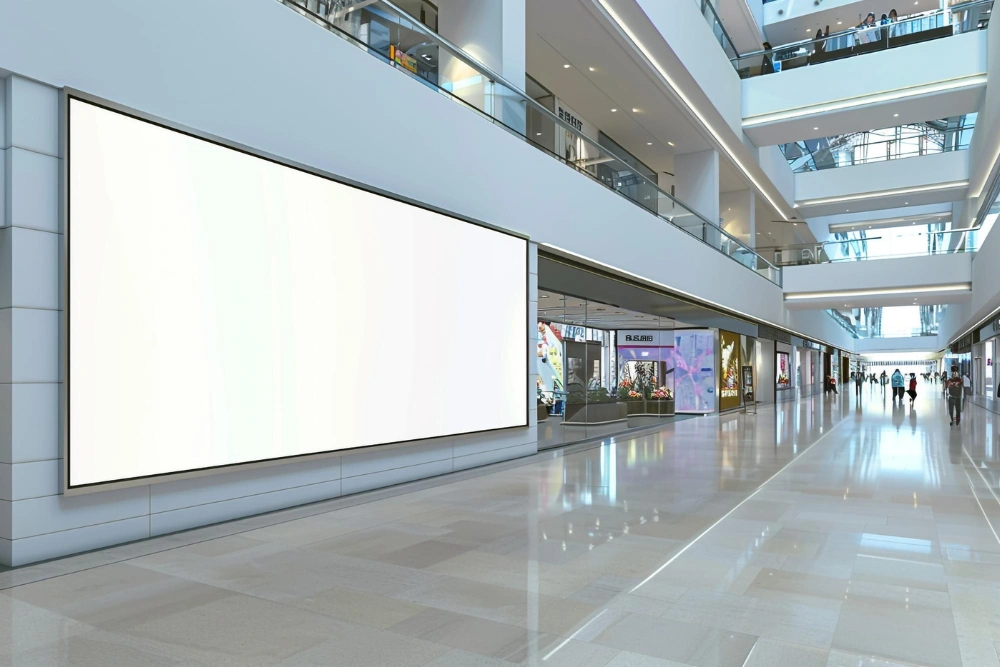
Instead of exposing customers to unfinished surfaces or noisy work areas, hoarding establishes a visual pause. It allows the brand to continue speaking in its own voice, even while transformation happens behind the scenes. Messaging can explain what is coming next, reinforce brand values, or simply provide a calm, neutral backdrop that keeps attention focused on open areas of the store.
Consistency builds trust. When customers encounter familiar colours, typography, and tone on temporary structures, the disruption of renovation feels less intrusive. retail hoarding enables this continuity. It ensures that the brand presence does not disappear just because the space is evolving.
Used thoughtfully, hoarding can even enhance anticipation. Teaser graphics, subtle timelines, or value-led messages turn a temporary barrier into a communication tool. The store remains active in the customer’s mind rather than feeling partially closed or incomplete.
While customers experience renovation visually, staff experience it operationally. Multiple teams must work together: contractors, store managers, visual merchandisers, safety officers, and suppliers. Tasks overlap, timelines shift, and priorities change daily.
Without a structured system, miscommunication becomes likely. Delayed installations, incomplete panels, or mismatched messaging can quickly undermine visual control on the shop floor. This is where internal coordination becomes just as important as physical presentation.
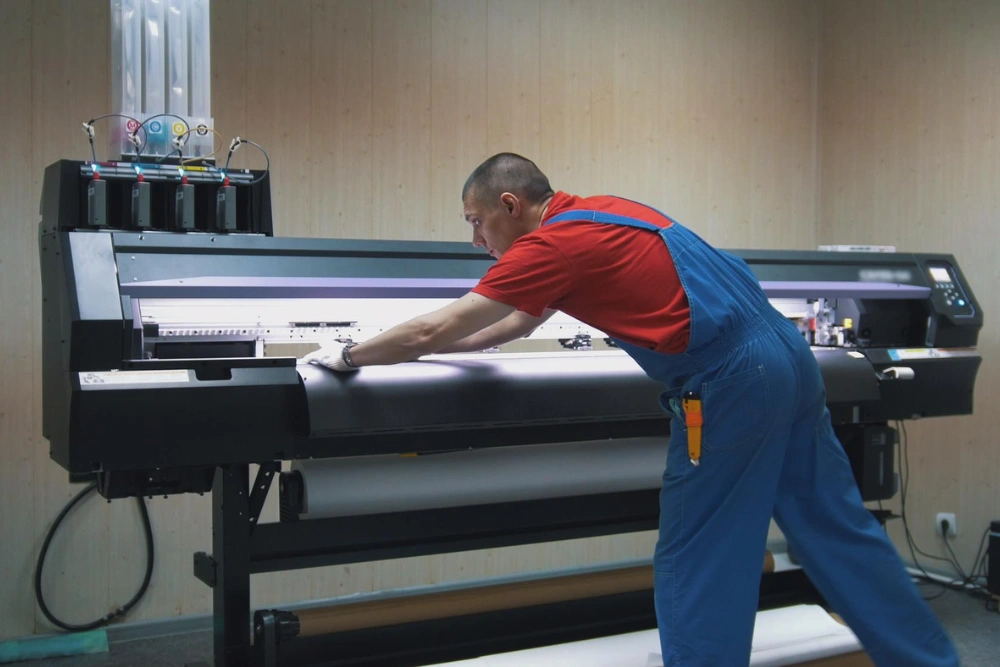
Effective renovation requires every task to support a visible outcome. Panels must be installed on schedule, messaging approved before print, and updates rolled out consistently across all hoarding sections. Each step depends on the last.
Using task management software allows teams to organise responsibilities within a shared framework, helping ensure that visual elements are delivered as planned during a fast-moving refurbishment.
Retail Hoarding does not appear by chance. It is the result of coordinated decisions: design approvals, print schedules, installation windows, and safety checks.
When planning is structured, teams can respond calmly to change. If a design adjustment or timing shift is required, it can be addressed without compromising the overall visual environment. This prevents last-minute improvisation that often leads to inconsistent finishes or incomplete coverage.
Clear ownership and defined timelines reduce uncertainty. When responsibilities are understood, visual standards are easier to maintain. This operational clarity directly supports visual control by ensuring hoarding remains intact, messaging stays aligned, and customer-facing areas remain calm and professional throughout the renovation period.
Customers are surprisingly tolerant of renovation when it is communicated well. Clear visual boundaries, polite messaging, and consistent presentation reassure them that the disruption is temporary and purposeful.
Retail Hoarding supports this by removing uncertainty. Customers are not left guessing what lies behind a temporary wall or whether the store is safe to navigate. Combined with disciplined internal coordination, the entire experience feels managed rather than improvised.
Visual control benefits staff as much as customers. Clear boundaries reduce repeated questions, improve safety, and help employees focus on service rather than problem-solving. When internal processes are clear, staff spend less time resolving confusion and more time supporting shoppers.
Visual control during store renovations is not about hiding work; it is about guiding experience. Thoughtfully implemented Retail Hoarding protects brand presence, manages safety, and maintains customer confidence during periods of change.
When visual strategy and internal discipline work together, renovation becomes a calm, professional transition rather than a disruptive interruption. In a retail environment where trust is built through detail and consistency, controlling what customers see — and how change is managed — is essential to protecting long-term brand value.
© 2026 Point of Sale Printers. All Rights Reserved.