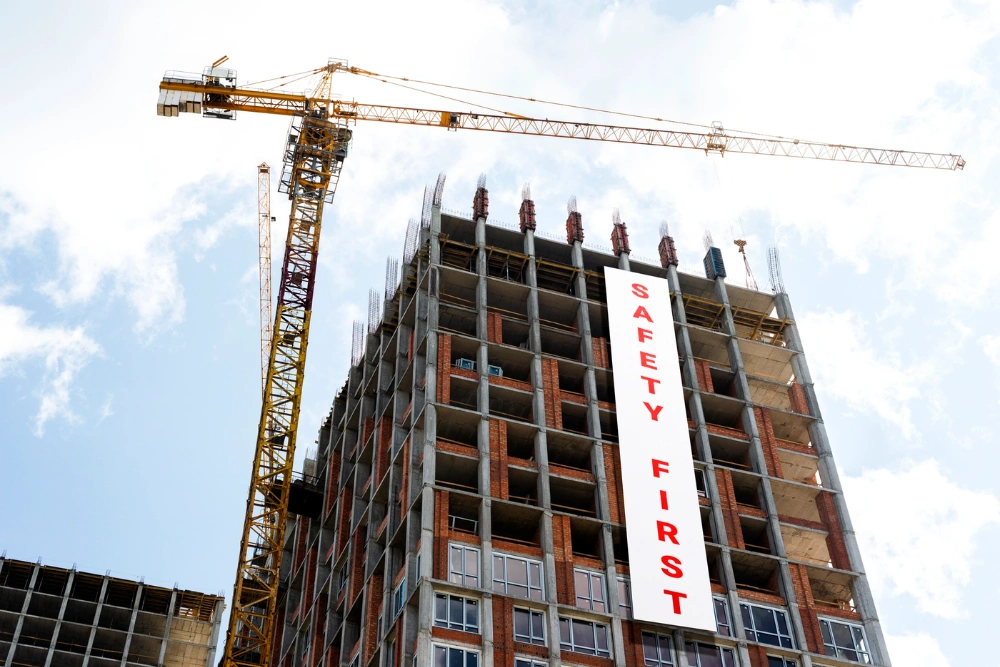
Building exteriors represent one of the largest and most underused branding opportunities in urban environments. Surrounded by constant movement, traffic, and visual noise, these surfaces offer scale, permanence, and unavoidable exposure. When approached strategically, they allow businesses to communicate confidence, relevance, and presence without relying on short-lived advertising formats. This article examines how exterior branding works as a visibility tool, the planning required to use it effectively, and why it continues to influence perception long after the first impression has passed.
Large exterior surfaces sit directly within everyday sightlines. Unlike digital advertising, which competes for attention, exterior branding becomes part of the environment itself. People absorb these visuals passively during commutes, walks, or daily routines, leading to repeated exposure without active engagement.
Scale plays a crucial role. A building façade offers uninterrupted space that allows messaging to breathe. When designed with clarity, it delivers immediate recognition rather than fragmented information. Over time, repeated exposure strengthens familiarity, which directly supports brand recall and trust.
Exterior branding transforms buildings into communication tools rather than passive structures. This approach allows businesses to align physical presence with brand identity, values, and tone.
When businesses wrap buildings, they gain control over how the structure contributes to the brand narrative. Instead of blending into the surroundings, the building itself becomes a visual anchor. This is particularly effective in high-traffic or transitional areas where attention is already heightened.
Design discipline is essential. Clear visuals, limited messaging, and strong brand markers ensure the space communicates effectively rather than overwhelming viewers.
Not all exterior spaces function the same way. Urban centres, industrial zones, and residential streets each influence how branding is perceived. Effective exterior branding respects its surroundings while still standing out.
Environmental factors such as light, weather, and viewing distance must be considered early. Poor planning can lead to faded visuals, poor legibility, or rapid wear, which undermines credibility. Thoughtful preparation ensures the branding remains impactful over time.
| Exterior Format | Primary Function | Visibility Level | Typical Use Case |
| Full façade wrap | Maximum impact | Very high | Landmark buildings |
| Partial wall graphics | Reinforcement | High | Street-facing units |
| Window coverage | Local recognition | Moderate | Retail fronts |
| Temporary wraps | Short-term presence | Variable | Renovations |
Exterior branding should never compromise the building itself. Structural safety, surface condition, and installation method must be assessed before execution. This is where collaboration with experienced professionals becomes critical.
For example, projects involving refurbishment or maintenance often align with specialists such as builders in cardiff, who manage structural integrity across residential and commercial properties while ensuring surfaces remain suitable for external applications. This coordination ensures branding integrates seamlessly with building upkeep rather than conflicting with it.
When businesses wrap buildings, they gain narrative control over how the space is interpreted. Rather than being seen as neutral or outdated, the building communicates intent, relevance, and direction.
This approach is particularly effective during periods of change such as relocations, renovations, or rebranding. Exterior wraps signal progress and activity, preventing assumptions of inactivity or decline. They reassure audiences that the business is present and evolving.
Narrative clarity is essential. Messaging should focus on identity rather than promotion, reinforcing recognition rather than pushing offers.
Exterior branding is a long-term commitment. Materials, finishes, and installation quality determine how well the branding ages. Poor choices result in peeling, fading, or distortion that damages perception.
Maintenance schedules should be planned in advance. Regular inspection ensures minor issues are addressed before they become visible problems. This proactive approach protects investment and preserves brand integrity.
The third strategic role of wrap buildings is consistency across growth phases. As businesses expand, exterior branding provides continuity even when internal changes occur. Customers recognise the space regardless of operational shifts.
Over time, this consistency builds familiarity that advertising alone cannot replicate. The building becomes associated with reliability and presence, reinforcing trust without repeated messaging changes.
Exterior branding should align with wider brand systems rather than operate independently. Colours, typography, and tone should match other touchpoints to avoid fragmentation.
This alignment ensures recognition transfers smoothly between physical and digital environments. When customers encounter the brand elsewhere, the exterior space reinforces rather than contradicts their expectations.
Exterior branding influences behaviour subtly. Its value often appears in recall, recognition, and trust rather than in immediate action. Businesses should therefore assess performance through long-term indicators such as enquiry familiarity and brand recognition.
This perspective allows exterior branding to be evaluated fairly, recognising its role as a foundation rather than a conversion trigger.
Building exteriors offer unmatched scale and visibility when used as intentional brand space rather than decorative surfaces. With thoughtful planning, disciplined design, and respect for structural context, they become powerful communication assets within everyday environments. Exterior branding reinforces recognition through repeated exposure and signals authority by demonstrating confidence and permanence. Over time, this consistent presence supports trust and familiarity. Businesses that invest in strategic use of building exteriors create lasting impressions that influence perception long after the initial encounter, strengthening brand recall and reinforcing credibility across changing conditions.
© 2026 Point of Sale Printers. All Rights Reserved.