Visibility is often reduced to how something looks. Strong colours, modern fonts, and clean layouts are commonly treated as the foundation of effective communication. While design quality is important, it is rarely enough on its own. In real-world environments, visibility is shaped by far more complex forces, including distance, movement, lighting, and audience intent.
This is especially true in physical spaces, where large format printing plays a critical role in determining whether a message simply exists or genuinely performs. When visibility depends on more than good design, strategy becomes just as important as creativity.
Design is most effective in controlled conditions. On screens, in brochures, or within calm interiors, people are already prepared to focus. Public and commercial environments are very different. Here, messages must compete with traffic, signage clutter, weather conditions, and short attention spans.
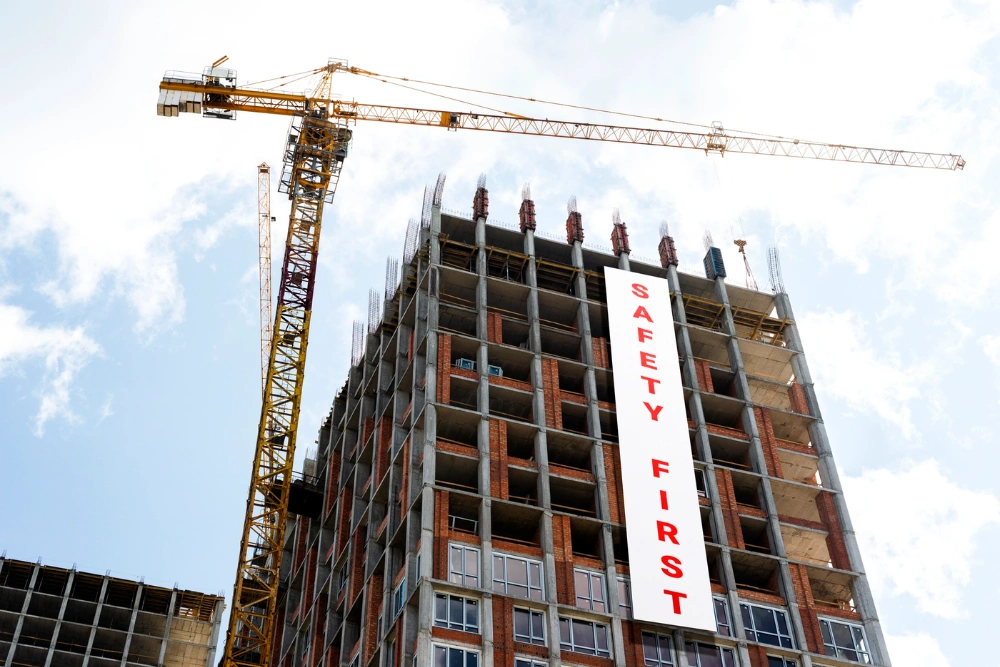
A beautifully designed visual that is too small, poorly positioned, or printed on unsuitable material quickly loses impact. This is why large format printing is not about enlarging artwork, but about engineering visibility for complex surroundings. Without this strategic layer, even the most refined design can fade into the background.
Scale influences perception before content is consciously processed. Large visuals are interpreted differently from smaller ones, particularly in environments where audiences are moving rather than standing still. Distance, speed, line of sight, and viewing angle all affect how quickly information is absorbed and whether it is understood at all.
This is where large format printing becomes essential. By increasing physical presence, it allows messages to remain legible and recognisable from a distance, ensuring they perform within their intended environment.
The value of scale and context extends beyond visual communication. A clear parallel can be seen in how people prepare for practical assessments. An app for driving test succeeds because it reflects real test routes, junctions, and driving conditions rather than relying solely on abstract theory. By mirroring real environments, it helps learners build confidence and situational awareness before the test itself.
Large-scale visual communication follows the same principle. When visuals are designed for real viewing conditions, not idealised ones, they become more intuitive and effective. Just as realistic route guidance improves learning outcomes, well-scaled visuals improve comprehension, recall, and trust in physical spaces.
Visibility changes dramatically depending on location. Outdoor graphics face rain, glare, and changing daylight, while indoor environments introduce reflections and artificial lighting. If these factors are ignored, even strong designs underperform.
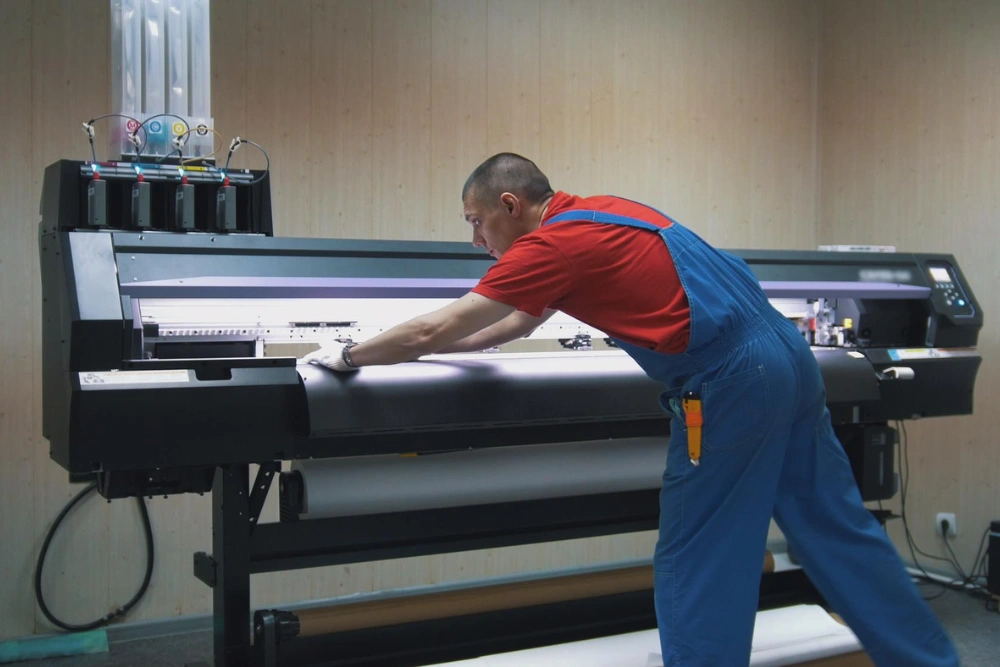
Professional large format printing supports contextual adaptation through material choice, finishes, and print clarity. This ensures that messages remain readable and credible over time, not just on the day of installation.
Context also includes how people move and behave within a space. Are they walking, driving, or waiting? Are they scanning quickly or standing still? Visibility improves when design decisions align with these behaviours.
This principle mirrors how effective learning tools are structured around user behaviour. When guidance matches real actions, outcomes improve. Visibility follows the same logic.
Visuals are often treated as branding surfaces, but their most powerful role is functional. Large-scale graphics guide attention, indicate boundaries, and communicate intent without instruction.
When executed well, Large Format Printing acts as a silent guide, shaping movement and understanding within a space. This functional role is often more valuable than decorative impact alone.
| Approach | Focus | Result |
| Design-led only | Visual style | Short-lived attention |
| Scale-aware visuals | Distance and proportion | Stronger noticeability |
| Context-driven execution | Environment and use | Lasting clarity |
| Strategic visibility | Behaviour and guidance | Meaningful action |
This comparison highlights why visibility must be planned, not assumed.
Execution determines whether a message feels reliable. Poor resolution, colour inconsistency, or weak materials reduce confidence and undermine communication. High-quality large format printing ensures that design intent is preserved in real conditions.
Just as learners trust tools that accurately reflect real-world challenges, audiences trust visuals that appear durable, clear, and well considered.
Visibility is also cumulative. Repeated exposure to consistent visuals strengthens recognition and recall. Large-format outputs help maintain this consistency across multiple locations, reinforcing credibility over time.
Visibility is no longer about standing out once. It is about being understood quickly, remembered clearly, and trusted instinctively. Design remains essential, but it must be supported by scale, context, and execution.
As environments become more crowded and attention more fragmented, visibility will increasingly depend on strategic thinking. Whether through large format printing in physical spaces or intelligent digital guidance systems, the most effective communication meets people where they already are.
True visibility is not achieved through appearance alone; it emerges from the deliberate alignment of design, environment, and human behaviour. When communication is planned around how people actually move, pause, and process information, it becomes more effective without becoming intrusive. Treating visibility as a performance outcome shifts the focus from decoration to purpose. Messages are no longer forced to compete for attention in crowded spaces; instead, they integrate naturally into their surroundings. This approach creates clarity rather than noise, allowing communication to feel earned, credible, and trusted. In doing so, visibility becomes a function of understanding, not amplification.
© 2026 Point of Sale Printers. All Rights Reserved.