Large-format façade advertising has become one of the most commercially efficient ways to command attention in dense urban environments. As cities grow taller and busier, brands that invest in visibility at scale gain a decisive advantage. When executed with precision, façade-led campaigns do more than decorate a building; they turn architecture into a revenue-generating asset.
This approach is not about novelty. It is about strategic placement, long dwell time, and repeat exposure. From retail districts to mixed-use developments, large-scale façade advertising consistently outperforms many short-lived digital formats when return on investment is measured across visibility, brand recall, and longevity.
One of the primary reasons façade advertising delivers strong ROI is the sheer volume of impressions it generates. A single installation can be seen by thousands of people every day, including commuters, pedestrians, and neighbouring occupants. Unlike pay-per-click media, where cost rises with every interaction, façade advertising benefits from fixed production and installation costs while impressions continue to accumulate over time.
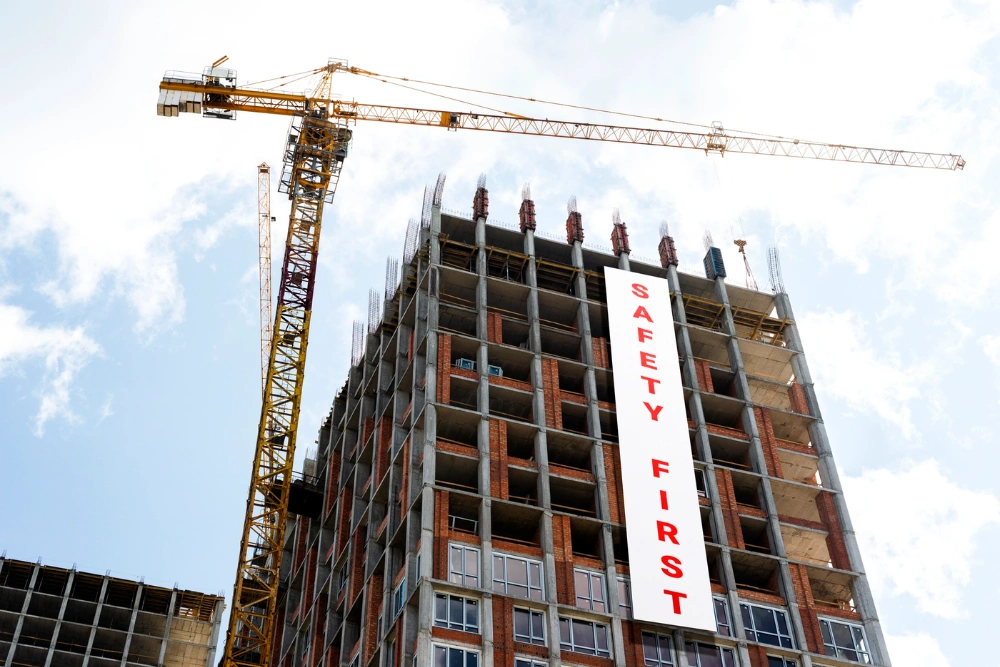
When building wraps are used across prominent elevations, the cost per impression drops dramatically. Over weeks or months, this format becomes one of the most efficient ways to maintain brand presence without ongoing media spend.
Façade advertising is engineered for longevity. Weather-resistant materials, UV-stable inks, and secure fixing systems allow campaigns to remain intact and visually sharp for extended periods. This durability is essential when calculating ROI, as the message continues to work long after the initial investment.
In contrast to temporary digital ads that disappear once budgets are exhausted, physical installations offer a sustained return, especially in high-traffic locations.
Scale influences perception. Large-format façade advertising signals credibility, stability, and ambition. When a brand occupies a building face, it subconsciously communicates leadership within its sector. This psychological impact cannot be replicated by smaller formats or fleeting online impressions.
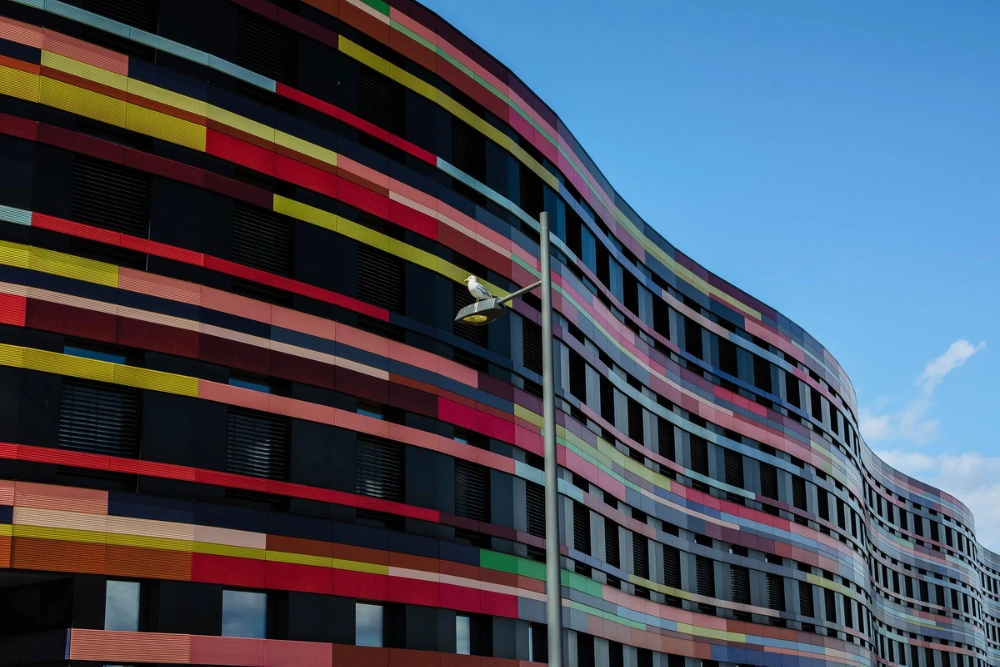
Well-designed building wraps integrate seamlessly with architectural lines, ensuring the message feels intentional rather than intrusive. This harmony between design and structure elevates both the building and the brand it displays.
Façade advertising is particularly effective for brands seeking to strengthen local or regional recognition. Because the installation becomes part of the daily visual environment, it embeds the brand into the rhythm of the area. This repeated exposure builds familiarity and trust over time.
For businesses operating from or near the site, the façade acts as a constant physical endorsement of their presence and relevance.
Successful façade advertising does not exist in isolation. It must coexist with the functional systems that keep a building operational, including ventilation, access points, and climate control infrastructure. Coordination with service providers ensures that advertising installations do not obstruct essential equipment or compromise performance.
Professional air conditioning companies understand how external installations interact with airflow, heat exchange, and maintenance access. Their expertise ensures that advertising assets and building services function in harmony rather than conflict.
In commercial environments, visual communication and environmental comfort are equally important. Tenants, visitors, and staff all rely on stable internal conditions. By aligning façade advertising plans with air conditioning installation and maintenance schedules, building owners protect both brand value and occupant comfort.
This integrated approach supports long-term ROI by preventing costly adjustments or downtime caused by poorly coordinated installations.
While direct sales attribution can be challenging, façade advertising excels at building long-term brand equity. Studies in urban marketing consistently show that large-scale outdoor formats deliver higher unaided brand recall than smaller signage. This recall translates into preference when purchasing decisions are made later.
Building wraps play a crucial role here by transforming blank surfaces into memorable brand landmarks. Over time, these landmarks become reference points within the cityscape.
Façade advertising works best as part of a broader communication strategy. It reinforces messages seen online, on social media, or through experiential marketing. When audiences encounter the same visual language across physical and digital spaces, campaign effectiveness increases.
The physical permanence of a façade installation adds weight to digital messaging, grounding it in the real world.
Not all façades deliver equal value. Orientation, sightlines, traffic flow, and surrounding structures all influence visibility. Careful site analysis ensures that the advertising surface captures attention from the widest possible audience.
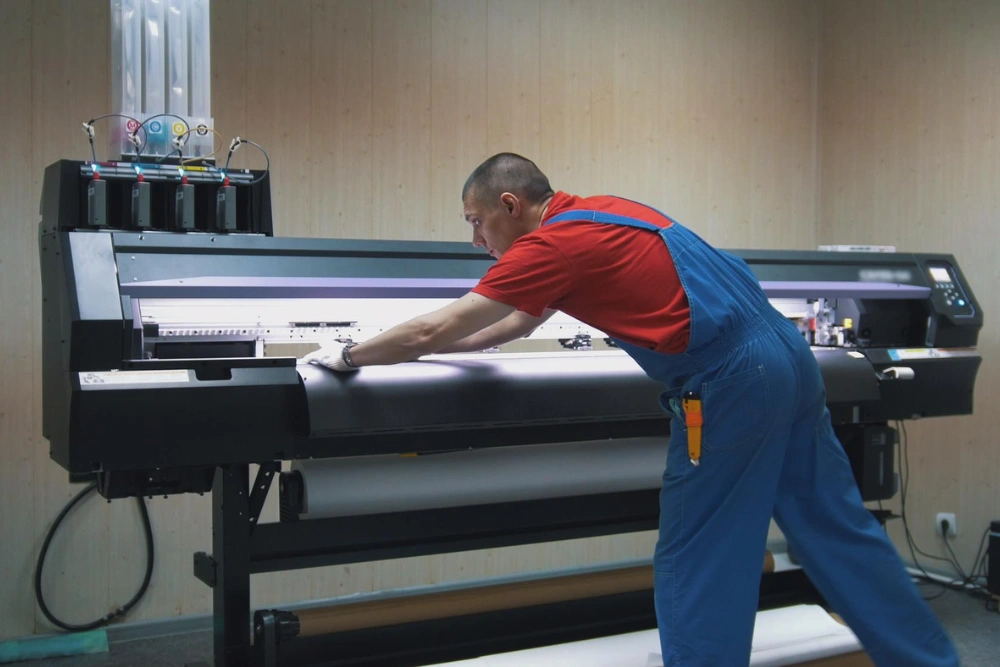
ROI is directly tied to execution quality. Poor print resolution, weak fixing systems, or inappropriate materials can undermine the campaign’s impact. Investing in professional production and installation protects both visual integrity and brand reputation.
When building wraps are installed correctly and maintained throughout their lifespan, they continue to perform without degradation.
Large-scale façade advertising is not a short-term tactic. It is a strategic investment in visibility, perception, and urban presence. When planned with architectural awareness and supported by complementary building services, it delivers measurable value well beyond its initial cost.
The brands that benefit most are those that see buildings not just as structures, but as communication platforms. In a city where attention is the most valuable currency, turning façades into purposeful media space is a forward-thinking decision that consistently rewards those willing to think at scale.
© 2026 Point of Sale Printers. All Rights Reserved.