Commercial displays are no longer expected to simply present information. They are now part of how brands express quality, confidence, and attention to detail. In retail, exhibitions, and corporate environments, flat surfaces are giving way to more dimensional, tactile design approaches. Layered metal panels have emerged as a defining feature of this shift, offering depth, durability, and visual clarity in equal measure.
As businesses look for display solutions that feel contemporary yet enduring, layered metal panels provide a balance between structure and creativity. Their ability to elevate presentation without relying on gimmicks has made them a preferred choice across a wide range of commercial settings.
Layered metal panels are display systems built using multiple panel layers rather than a single flat sheet. These layers may vary in thickness, spacing, or finish, creating depth and shadow that enhance visual interest.
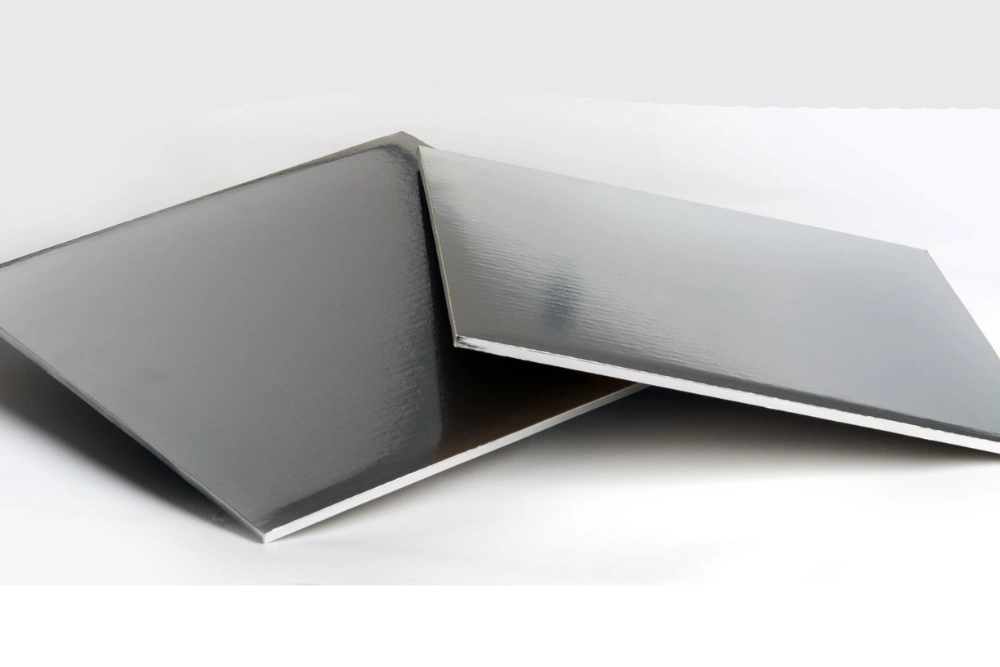
Often produced using aluminium composite board, these panels combine a lightweight core with durable metal skins. This construction allows for precision cutting, clean edges, and reliable performance across indoor and outdoor environments. By stacking or offsetting panels, designers create displays that feel architectural rather than purely graphic.
This layered approach turns signage and displays into physical features rather than background elements.
Modern commercial environments are visually dense. Screens, graphics, and printed surfaces compete constantly for attention. Flat displays can easily fade into this noise, even when well designed.
Layered panels break this pattern. Physical depth catches the eye naturally, creating contrast without relying on excessive colour or movement. The result is a display that feels calmer yet more confident.
Audiences increasingly notice materials, not just messages. Metal surfaces signal permanence, quality, and investment. When combined with layered construction, they suggest considered design rather than temporary promotion.
This shift reflects a broader move towards displays that feel built, not applied.
Layering creates separation between elements, improving legibility. Text, logos, and symbols stand apart from backgrounds through physical spacing rather than visual tricks.
This is particularly effective in environments where lighting conditions change throughout the day. Shadows created by layered panels help define shapes consistently, maintaining clarity without glare.
Using aluminium composite board allows displays to remain lightweight despite their solid appearance. This makes installation easier while preserving structural integrity.
Panels can be mounted securely on walls, frames, or freestanding systems without placing excessive load on surfaces.
Metal panels are chosen not only for appearance but also for resilience. They resist warping, moisture, and impact far better than many traditional display materials.
Layered construction adds another level of protection. Individual layers can absorb minor damage without compromising the entire display. This makes layered metal panels especially suitable for high-traffic areas such as retail floors, transport hubs, and exhibition venues.
Longevity reduces replacement cycles, supporting both cost efficiency and sustainability goals.
Layered metal displays work particularly well when combined with complementary materials. One common pairing is aluminium composite board with print foamex board, which provides a lightweight, adaptable surface for high-quality printed graphics and branded visual messaging.
Foamex panels can be integrated into layered metal systems to display interchangeable messaging while the metal structure provides permanence and strength. This combination allows businesses to update content without redesigning the entire display.
Used together, these materials balance flexibility and durability, supporting evolving communication needs.
Within layered constructions, internal display services benefit from modularity. Panels can be replaced, reconfigured, or expanded without disrupting the overall structure. This adaptability makes layered metal systems practical for campaigns, seasonal updates, or phased rollouts.
Metal panels allow for clean, accurate cutting, enabling sharp typography, intricate logos, and geometric forms. Layering enhances this precision by creating visual hierarchy between elements.
Finishes such as brushed, matte, or powder-coated surfaces add further depth without overpowering the message.
Layered panels encourage restraint. Rather than relying on large graphics or bold colour, they allow branding to emerge through form and material. This subtlety often feels more premium and trustworthy than overt visual noise.
The display communicates confidence by not trying too hard to be noticed.
In retail settings, layered metal panels help define zones, highlight products, and reinforce brand identity. They create focal points that guide attention without cluttering the space.
Reception areas and offices benefit from displays that feel structured and intentional. Layered metal panels communicate stability and professionalism, aligning well with organisations that value credibility and clarity.
Temporary environments still demand impact. Layered panels offer a way to stand out while remaining modular and reusable, supporting efficient setup and dismantling.
Layered systems require accurate planning. Spacing, fixings, and alignment must be precise to achieve the intended effect. However, once installed, these panels require minimal maintenance.
Their resistance to wear ensures they retain visual quality long after installation, even in demanding environments.
Layered metal panels are transforming commercial displays because they do what flat surfaces cannot. They introduce depth, clarity, and material presence without excess. By combining durable structures such as aluminium composite board with flexible elements like Foamex, businesses gain displays that are both resilient and adaptable. In a landscape where attention is earned through quality rather than volume, layered panels quietly assert confidence. They prove that strong display design is not about shouting louder, but about building something worth noticing.
© 2026 Point of Sale Printers. All Rights Reserved.