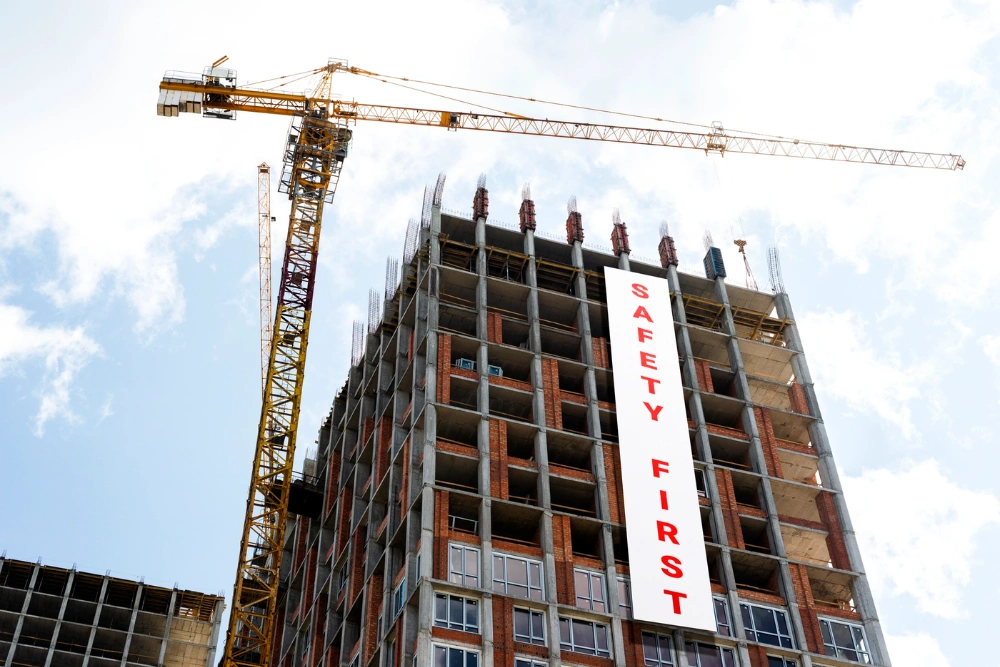
Urban construction projects do not operate in isolation. They sit within busy streets, residential areas, and commercial zones where people live, work, and travel at all hours. In these environments, boundaries are not simply functional barriers; they are interfaces between development activity and public life. How those boundaries are designed, maintained, and illuminated has a direct impact on safety, perception, and project credibility.
Well-lit boundaries are no longer optional extras. They are essential components of responsible urban building projects, shaping how construction sites are experienced after dark and how they are judged by the communities around them.
Construction boundaries serve multiple purposes. They protect the public from hazards, secure the site, manage access, and communicate information. In dense urban settings, these boundaries are often the most visible aspect of a project for months or even years.
When lighting is inadequate, boundaries can become obstacles rather than safeguards. Poorly lit edges increase the risk of accidents, create visual confusion, and contribute to negative perceptions of the development. Effective boundary lighting transforms hoardings from passive barriers into active safety and communication tools.
Cities do not stop moving at night. Pedestrians, cyclists, and drivers rely on clear visual cues to navigate safely. Well-lit boundaries help define space, clarify routes, and reduce the likelihood of collisions or trips.
Hoarding lighting ensures that edges are clearly visible, especially in areas where street lighting is inconsistent or partially blocked by construction activity. This added definition supports safer movement for everyone using the surrounding area.
Dark, unlit construction sites can feel intimidating. Shadows, gaps, and unclear boundaries create uncertainty, particularly for vulnerable road users. Lighting removes ambiguity and replaces it with reassurance.
A well-illuminated boundary signals care and control, making the environment feel managed rather than neglected.
Urban construction projects carry a responsibility to minimise risk to the public. Clear boundary definition through lighting supports this duty of care by making hazards easier to identify and avoid.
While regulations may set minimum requirements, best practice often goes further. Hoarding lighting used consistently along site perimeters demonstrates a proactive approach to safety rather than a reactive one. This mindset reduces incidents and supports smoother project delivery
Modern hoardings are increasingly used as communication surfaces. They share information about the project, display wayfinding guidance, and sometimes contribute positively to the streetscape.
When combined with effective lighting, these messages remain visible after dark, extending their usefulness beyond daylight hours. This is where professionally produced hoarding becomes valuable, offering durable, weather-resistant surfaces that work in tandem with lighting systems to maintain clarity and impact.
Lighting changes how people feel about a site. A well-lit boundary suggests organisation, professionalism, and respect for the surrounding area. Poor lighting suggests the opposite.
In competitive urban environments, perception matters. Developers and contractors are increasingly judged not only on what they build, but on how they manage disruption during the build process.
Lighting helps people understand where construction space ends and public space begins. This clarity reduces accidental encroachment and improves overall site security.
Well-lit boundaries deter vandalism and unauthorised access. They increase natural surveillance by making activity more visible from surrounding buildings and streets.
Urban sites evolve constantly. As layouts change, lighting helps maintain consistent boundary definition even when physical configurations shift.
Using hoarding lighting as part of a broader site strategy ensures continuity despite ongoing development activity.
| Lighting Type | Primary Purpose | Typical Use |
| Integrated LED strips | Continuous edge visibility | Long hoarding runs |
| Flood lighting | Area illumination | Entrances and access points |
| Low-level lighting | Pedestrian guidance | Footpaths and walkways |
| Solar-powered units | Energy efficiency | Temporary or remote sections |
Choosing the right combination depends on site layout, surrounding infrastructure, and duration of the project. The goal is consistent visibility rather than excessive brightness.
While lighting is essential, it must be applied thoughtfully. Excessive brightness or poorly directed light can disturb residents and businesses nearby.
Modern hoarding lighting solutions focus on controlled illumination, directing light where it is needed without spill or glare. This balance supports safety while respecting the urban environment.
Lighting should complement existing street lighting rather than compete with it. When aligned with local conditions, boundary lighting feels like a natural extension of the city rather than an intrusion.
One frequent mistake is inconsistent lighting. Gaps along a boundary create confusion and undermine the benefits of illuminated sections. Consistency is key.
Another issue is treating lighting as an afterthought. Retrofitted solutions often appear temporary and poorly integrated. Planning lighting from the outset leads to cleaner, more reliable results.
Finally, lack of maintenance reduces effectiveness. Failed lights quickly turn safety features into liabilities. Regular checks ensure hoarding lighting continues to perform throughout the project lifecycle.
Well-lit boundaries do more than meet practical needs. They shape how a project is experienced by thousands of people who may never step inside the site. Each evening, the boundary becomes the public face of the development.
By investing in clear, consistent lighting, project teams demonstrate respect for the city and its inhabitants. This approach builds goodwill, reduces complaints, and supports smoother progress from start to finish.
Urban construction succeeds when it respects the rhythm of the city around it. A considered approach to site boundaries shows that development and daily life can move forward together. Thoughtfully illuminated perimeters do more than mark a work zone; they signal responsibility, foresight, and respect for public space. When hoarding lighting is used to enhance visibility, guide movement, and reduce uncertainty after dark, it quietly reassures everyone who passes by. In busy urban environments, these details matter. Long after drawings and plans are forgotten, the way a project protects people and presents itself at street level defines how it is remembered.
© 2026 Point of Sale Printers. All Rights Reserved.